A different focus, the same mission
Power-To-Knowledge
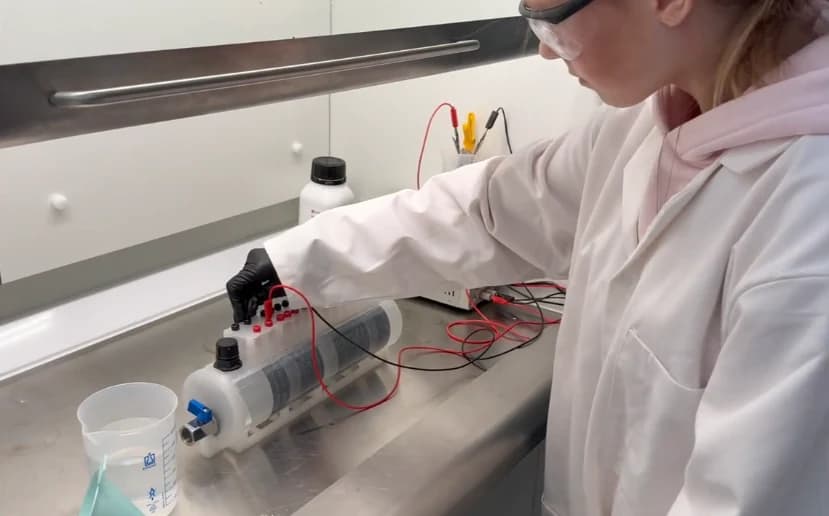
Let's demystify power-to-X and hydrogen production. The future is green, and we want to give the next generation the best possible head start, powered by knowledge. Meet HydroLearn.
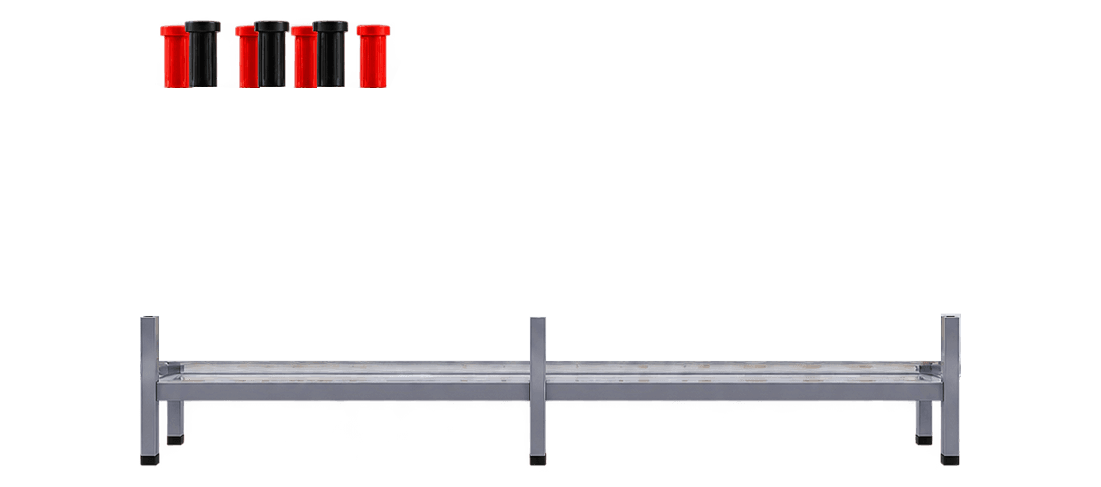
Step 1
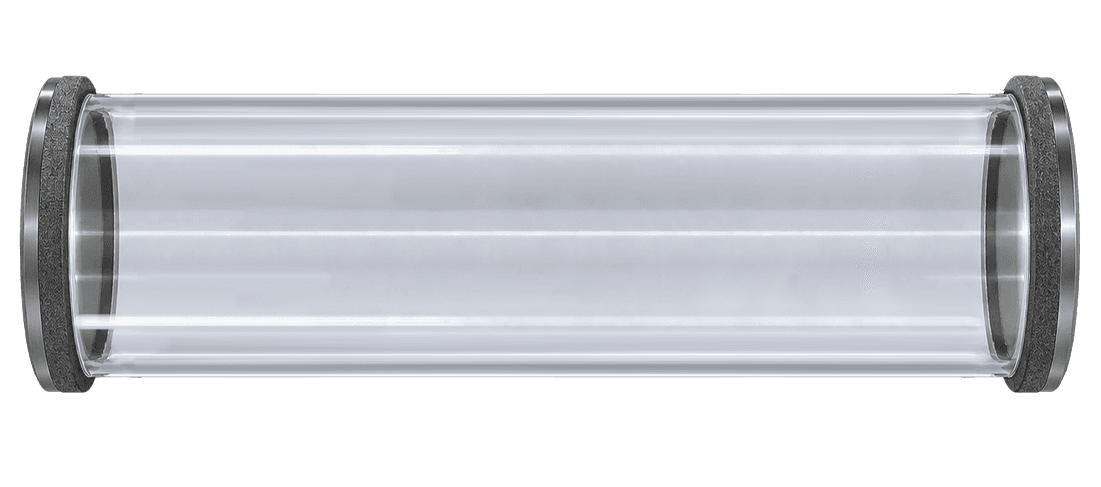
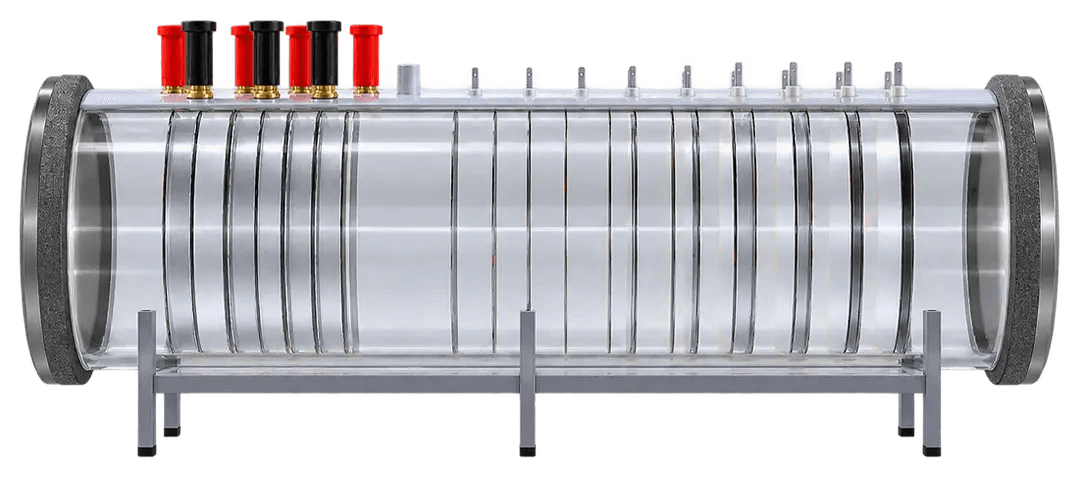
Cell Shell
A transparent cylinder that lets you see exactly what is happening inside, while safely containing the highly corrosive electrolyte.
Explore the system, step by step
Step 1
Cell Shell
A transparent cylinder that lets you see exactly what is happening inside, while safely containing the highly corrosive electrolyte.
Step 2
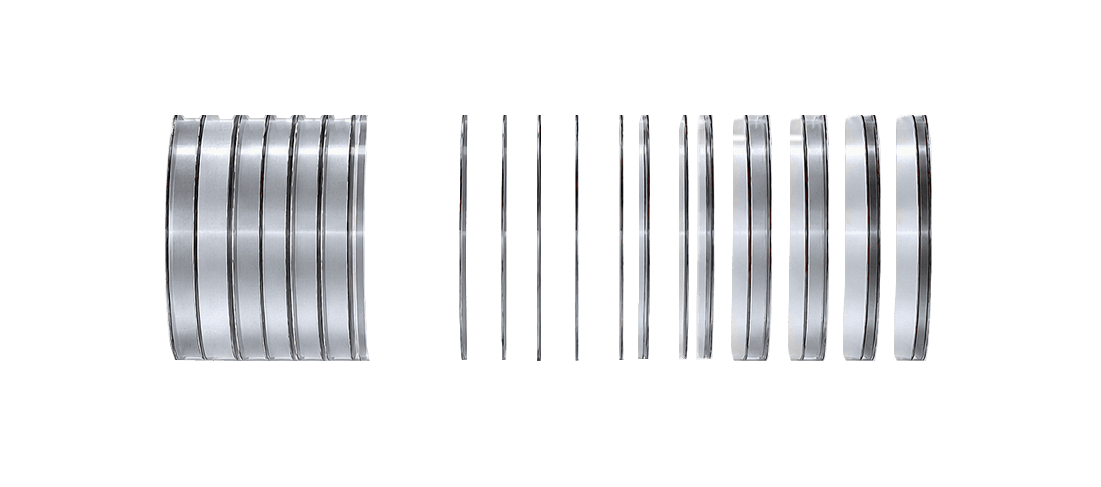
The cells
Electrodes in different materials and at different spacings sit side by side, so students can change one parameter at a time and see how it affects performance.
Step 3
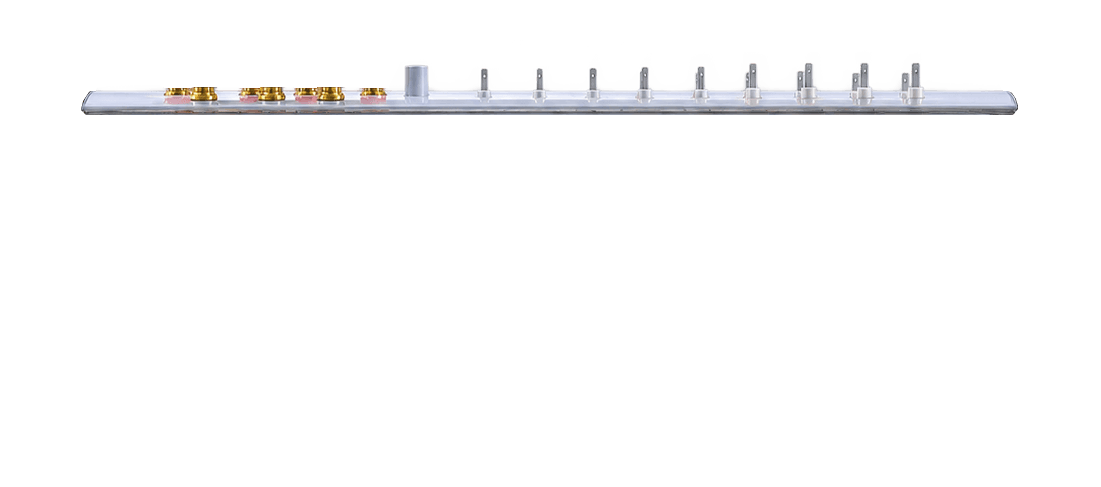
Plug and play
Each electrode has its own integrated connection, so students decide which cells to power. Switching between configurations makes it easy to compare how the system performs.
Step 4
Integrated System
Filling and gas flow system, power supply and data collection all come together in one system. Students get everything they need to run experiments safely and learn by doing.
Hands-on learning
What can students explore?
Five experiments, one platform
Voltage and current
See how current changes as voltage increases, and where the system starts to produce gas.
Electrode spacing
Vary the distance between electrodes and find the best-performing configuration under defined conditions.
Material comparison
Compare how different electrode materials perform side by side.
Pulsed vs. steady operation
Test whether pulsed power changes gas production and energy consumption compared to stable operation, much like electrolysers running on wind and solar.
Electrolyte strength
Swap or adjust the electrolyte and examine how it affects performance and efficiency.
Advanced learning
Go further
For advanced courses, the same platform supports:
- Applying Faraday's law to predict hydrogen production and comparing theory with measurements
- Generating and interpreting polarisation curves to identify electrochemical losses
- Calculating Faradaic efficiency, specific energy consumption and overall efficiency
- Investigating dynamic operation under fluctuating input, representative of wind and solar
- Performing mass and energy balances against theoretical models
- Connecting electrolyser operation to the wider Power-to-X value chain